Youth Skills & Readiness in Atlantic Canada
The W4S Lab (Workforce for Skills) is a research and knowledge hub examining how well Atlantic Canada’s youth are prepared for the modern economy.
Led by Dr. Lucia Tramonte, Professor of Sociology and Dr. Herb Emery, Professor of Economic and Political Science, the lab translates International Large Scale Assessments (ILSA) and national data into clear, accessible insights for educators, policymakers, workforce leaders, and communities.
At a time when skills gaps are widening—and regional competitiveness is at stake—the W4S Lab ensures that high-quality, student-led research informs real-world decisions about education, workforce development, and innovation.
This is evidence, made usable.

Why This Work Matters
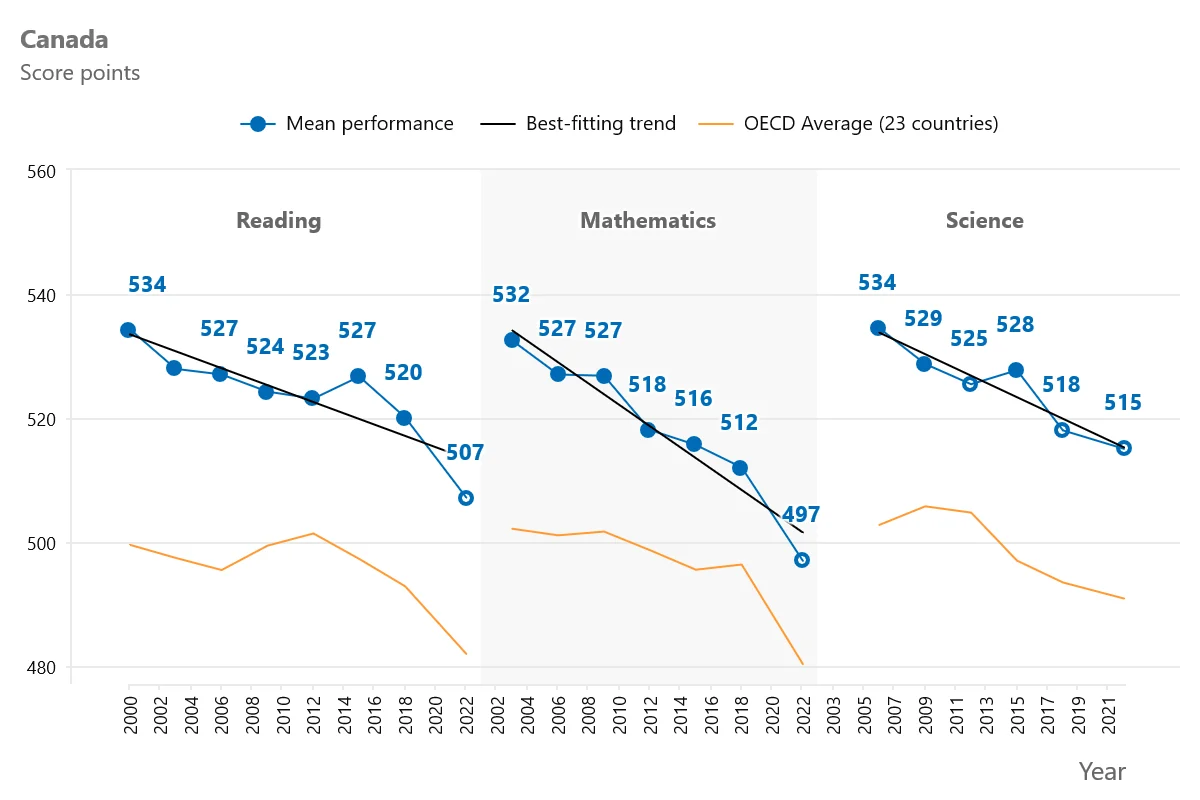
Recent analysis of PISA 2022 public-use data reveals persistent and troubling trends across Atlantic Canada:
- New Brunswick has the lowest reading performance in Canada
- Nearly one-third of students perform below minimum international proficiency standards
- Urban–rural skill gaps are wider here than elsewhere in the country
- Atlantic Canada has a disproportionately high share of students at the lowest performance levels
These gaps shape young people’s pathways into post-secondary education, work, and long-term economic participation—and they have implications for the region’s future prosperity.
What the W4S Lab Provides
- Research reports and visual summaries grounded in PISA data
- Clear analysis of literacy, numeracy, and readiness gaps
- Student-led research and applied insights
- Commentary connecting youth skills to workforce development and innovation
- A platform for ongoing dialogue across research, policy, and practice
About the Co-Lead Researcher
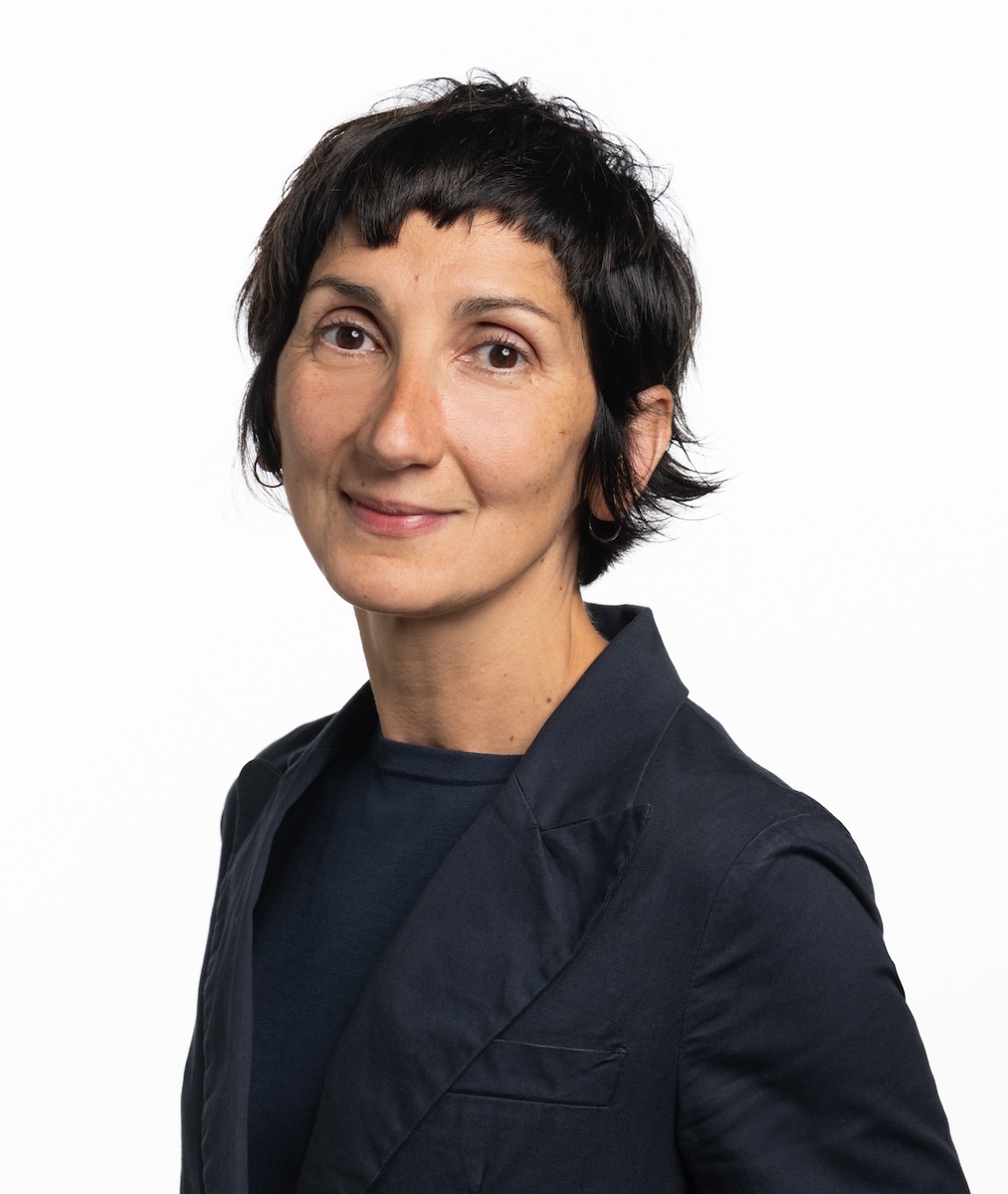
Lucia Tramonte is Professor of Sociology at the University of New Brunswick (UNB). Her research focuses on comparative education, equity, and equality in educational systems.
She works on large-scale international assessments from two perspectives: she analyzes existing data to identify inequalities and inequities associated with access and transition in education, and she designs contextual questionnaires, measures, and new tools.
She designed and developed the framework and questionnaires for the contextual assessment of 15-year-olds, in and out of school, and the statistical analyses for the national and international reports of PISA for Development, as well as the framework and questionnaires for the contextual assessment of PISA-VET.
As Co-Director of the Canadian Research Institute for Social Policy (CRISP) at UNB, she led the analytical work on the Successful Transition Project for Human Resources and Skills Development Canada (HRSDC). Since 2004, she has worked internationally with large organizations such as the OECD, AFD, and UNESCO IIPE, national governments, and universities on questionnaire construction, secondary data analysis, measurement, and multilevel modelling of cross-sectional and longitudinal data.
Since 2018, she has been the Lead Analyst of the Analyses and Reporting (A&R) program at the OECD. Lucia Tramonte teaches undergraduate and graduate quantitative research methods and data analysis regularly and recruits and trains students with Dr. Emery for the Watch4Skills Lab at UNB.
The W4S Lab reflects her commitment to ensuring that rigorous research supports better decisions for young people and communities across Atlantic Canada.
- Read the Atlantic Canada PISA Report
- Explore the Data & Visual Insights
- Read the Blog Series
- Meet the Research Team
- Reach out for more info on Youth Skills & Readiness
About the Co-Lead Researcher
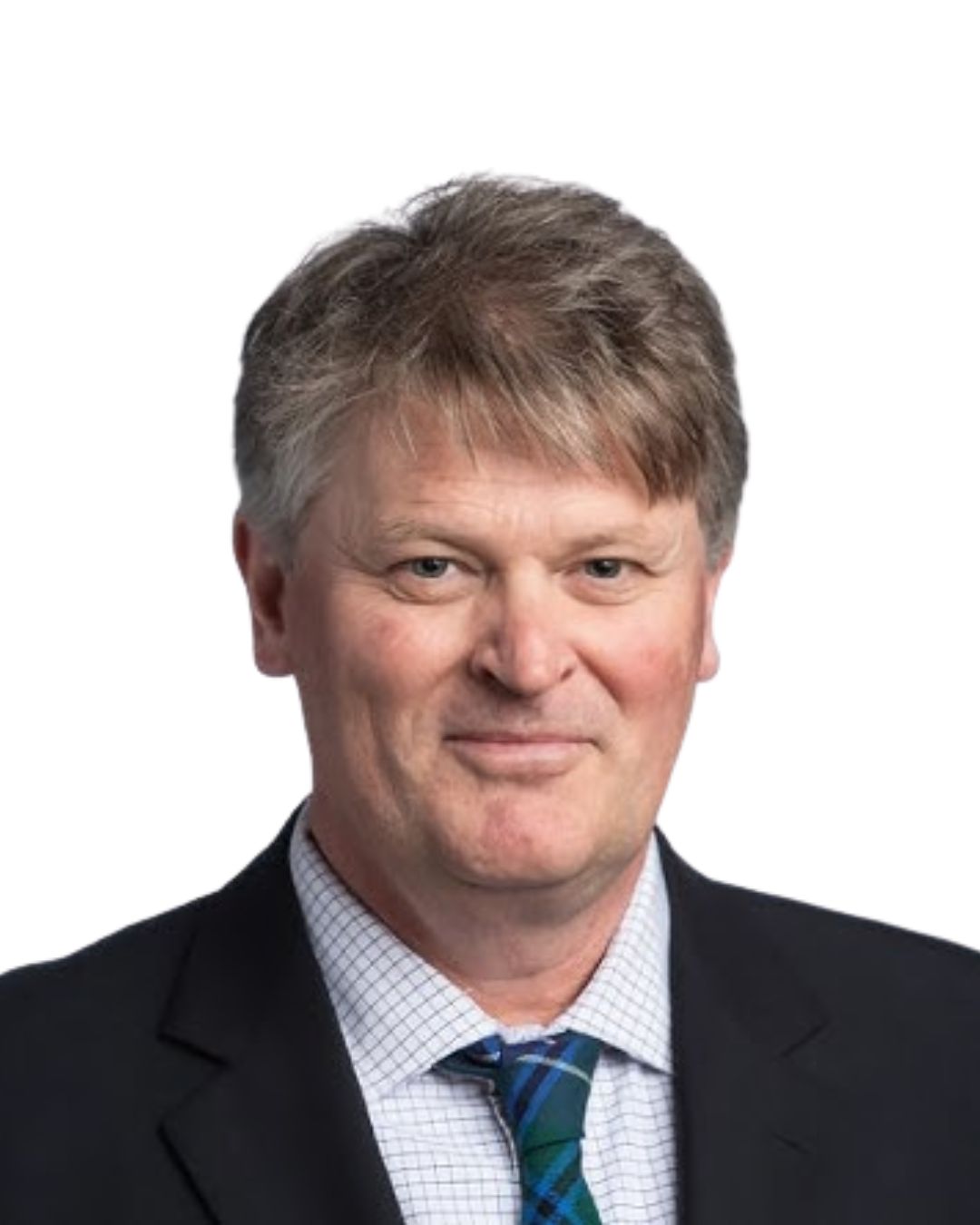
Dr. Herb Emery holds the Vaughan Chair in Regional Economics at UNB (since 2016), advising federal and provincial policymakers on Canadian economic development and regional disparities. His research integrates economic fundamentals with political, historical, and institutional factors shaping Canadian growth.
Previously at the University of Calgary (1993–2016), he served as Full Professor in Economics, Research Director at The School of Public Policy, and Svare Professor in Health Economics. He also served as Managing Editor of Canadian Public Policy from 2010 to 2015.
Since 2019, Dr. Emery has led the JDI Roundtable on Manufacturing Competitiveness in New Brunswick, exploring policies to strengthen the province’s manufacturing export sector and capitalize on global supply chain shifts.
The Vaughan Chair was established in the late 1980s through an endowment from the A. Murray Vaughan family to advance economic understanding and prosperity in New Brunswick and the Maritimes.
The W4S Lab is a reflection of Dr. Emery’s commitment to research informed policy decisions and ensuring that our education system prepares the next generation to contribute meaningfully to our economic and civic prosperity.
- Read the Atlantic Canada PISA Report
- Explore the Data & Visual Insights
- Read the Blog Series
- Meet the Research Team
- Reach out for more info on Youth Skills & Readiness
Contributors
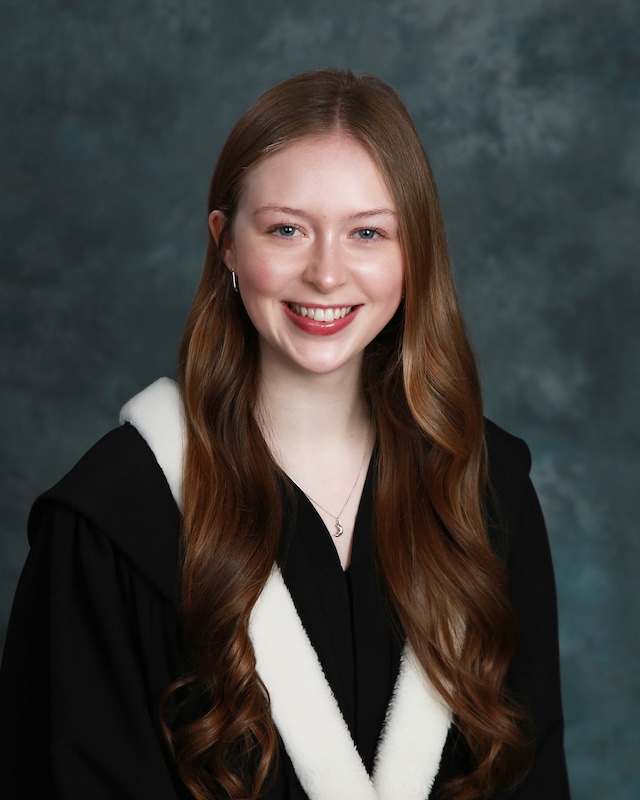
Sydney Campbell
Sydney Campbell is a current graduate student in the department of sociology at the University of New Brunswick. Her research lives in the sub-discipline of the sociology of sport, working directly on gendered experiences in sport and divisions of labour between men’s and women’s sports. She has experience using quantitative research methods and working directly with large-scale datasets to examine many different social phenomena inside and outside the world of athletics.

Jillian Campbell
Jillian Campbell is a current master’s student in the department of sociology at the University of New Brunswick, where she also completed an undergraduate degree in criminology and history. Her research examines inequities in the education system, with a particular focus on gender gaps in mathematics and numeracy. Using quantitative research methods, she explores why these differences persist and what they reveal about the broader structures of schooling. As a research assistant on a project examining competencies and skills of Atlantic Canadians, Jillian gained hands-on experience analyzing large-scale datasets using quantitative methods.

Sangar Y. Salih
Sangar Y. Salih is a PhD student in the Department of Sociology at the University of New Brunswick, Canada. He holds a Master’s degree in Sociology from the University of Cincinnati, United States, and previously served as a lecturer in the Department of Social Work at Salahaddin University-Erbil in the Kurdistan Region of Iraq from 2016 to 2025.
Salih has extensive experience in research, civil society, and organizational leadership. He served as Executive Director of the Peace and Freedom Organization (PFO) from 2019 to 2023 and has also served as Chair of its Board of Directors. He has worked as a researcher and consultant with international organizations, research institutes, and universities, including the International Labour Organization (ILO), the Economic Policy Research Institute (EPRI), and the University of Exeter, where he contributed to the Transformative History Education project. He is also a member of PeaceRep’s International Advisory Board.
His research interests include migration and refugee studies, workers’ rights, social integration, peacebuilding, minority issues, and civil society organizations. His work has been published in peer-reviewed journals.


This work is supported by the Pond-Deshpande Centre at the University of New Brunswick, which provides infrastructure and knowledge-mobilization support to help ensure that student-led, applied research reaches decision-makers across the region.
© 2026 – Pond-Deshpande Centre at the University of New Brunswick