English
ECEs as Leaders

“Who me, a leader?”
ECE Leaders in Atlantic Canada have many names: Directors, Operators, Administrators, Home Childcare Providers, Pedagogical Leads – to name just a few. Some own their centres and employ many ECEs, others serve as Executive Directors of non-profit early learning and care organizations, and others operate out of their homes as solopreneurs. ECEs also serve as informal leaders through mentoring peers and students, and by participating in the collaborative leadership of their centre.
Regardless of the title, ECE leaders are knowledgeable and dedicated professionals who focus on serving their communities through providing reliable, high-quality early learning and care for children.
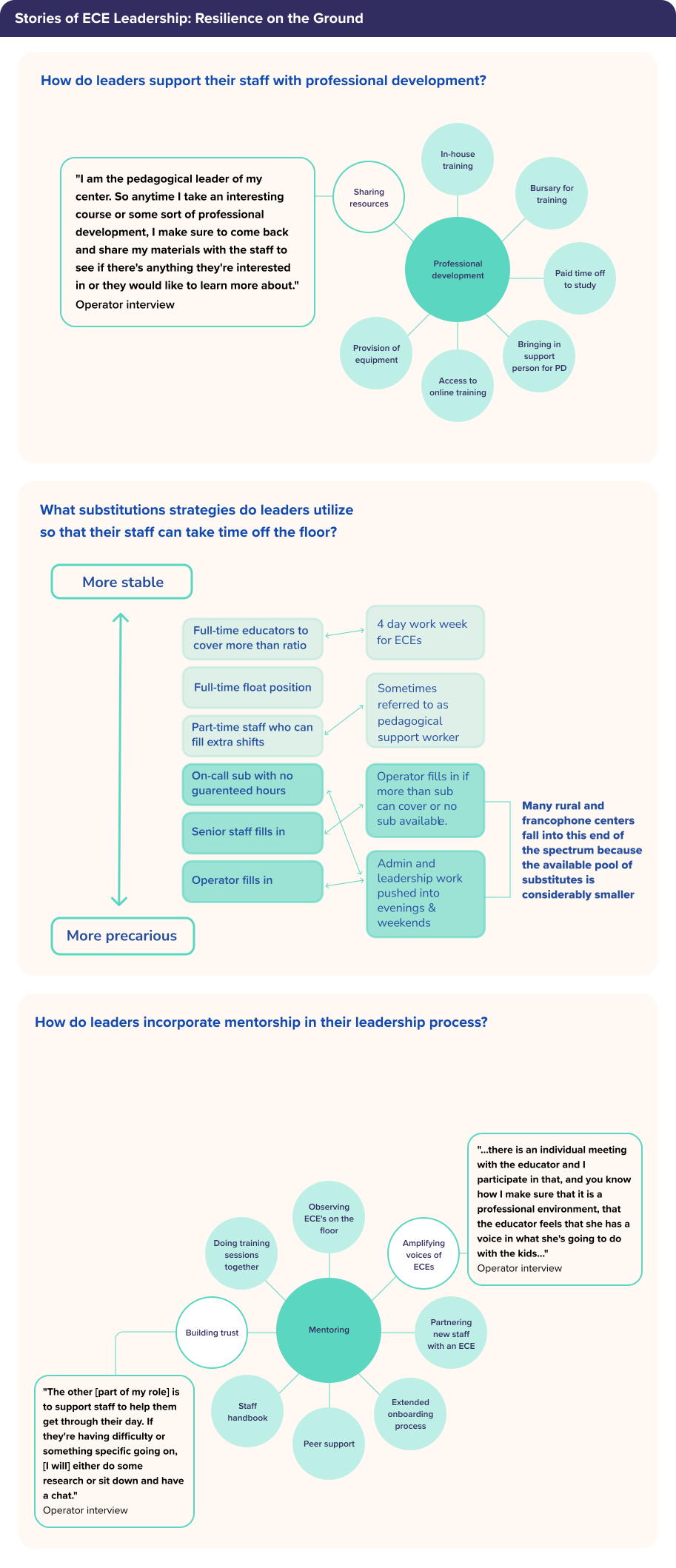
In 2022, as part of the second round of the ECE Lab, the lab team conducted interviews with 18 early learning centre operators, directors and administrators. The perpsectives offered by these leaders were combined with learning harvested from the interviews and prototypes conducted in the first round of the lab. Together, the data painted a detailed portrait of ECE leaders: what motivates them, the paths they take to leadership, and how they practice leadership in their roles — as managers, owners, pedagogical leads, peer leaders, and/or mentors.

Leaders face challenges in their own work

The ECE Octopus metaphor shows a leader successfully balancing many roles and tasks. However there are many systemic pressures that can push leaders out of balance and negatively impact their ability to serve as successful pedagogical leaders.
In interviews, leaders reported a noticeable increase in administrative work in the last 2-3 years, particularly in the wake of the COVID-19 pandemic and the Canada-wide agreements.
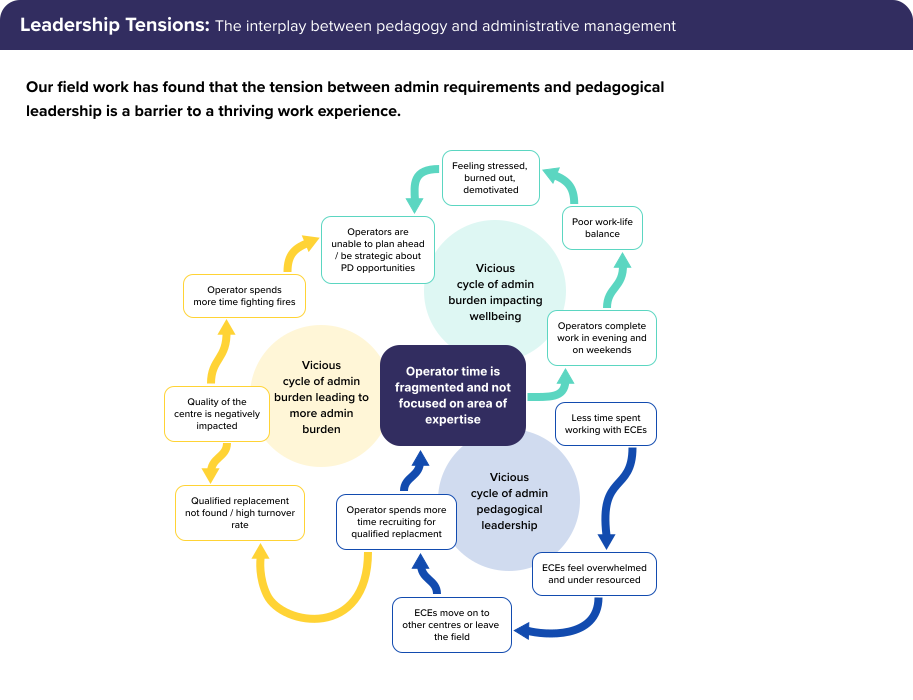
These challenges can also contribute to leaders experiencing negative working conditions, and ultimately resulting in burnout and/or exit from the field.
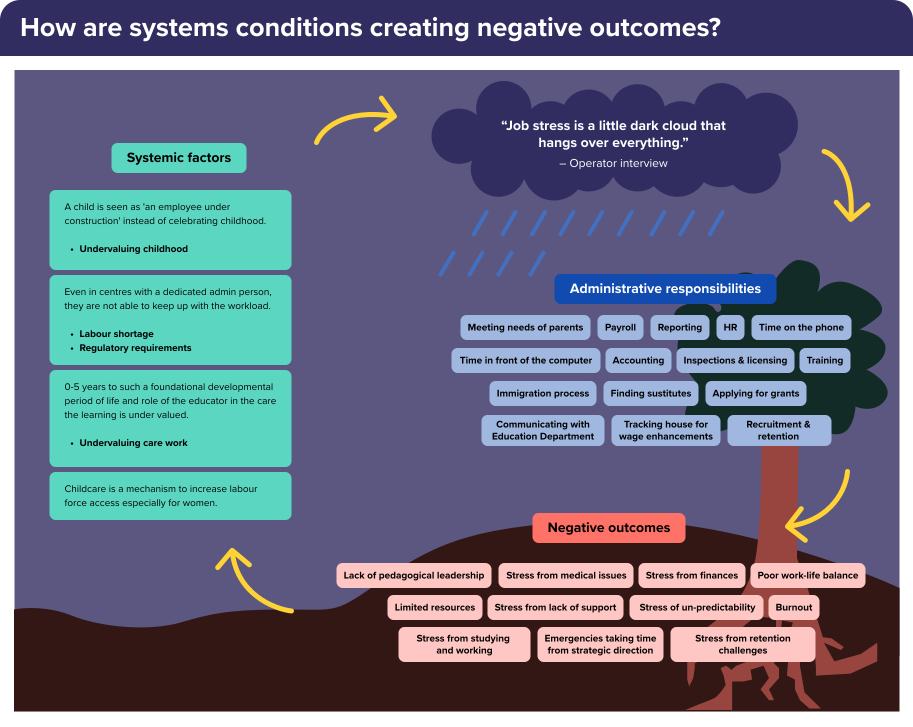
How do systemic conditions impact Leaders’ work?